Seismicstream GmbH

Reliable monitoring of Alpine mass movements

End-to-end seismic monitoring solutions for mountain regions — protecting lives and infrastructure.

Get in touch
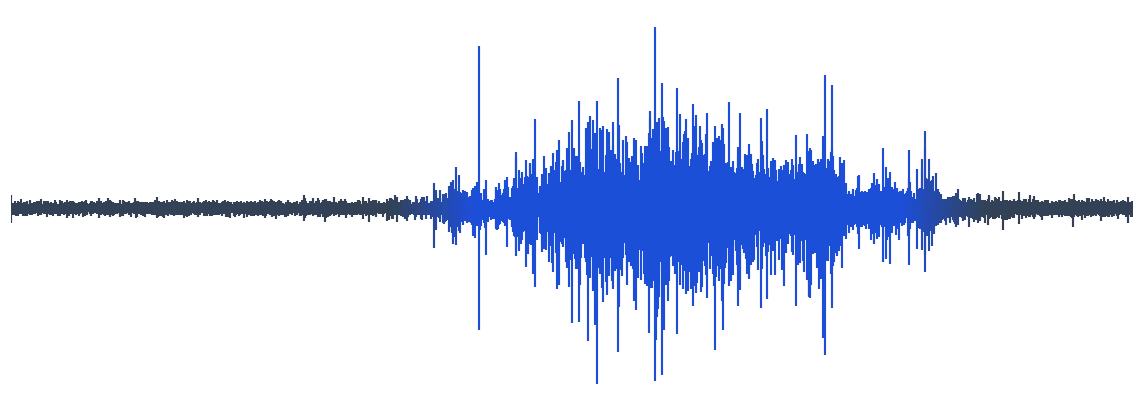
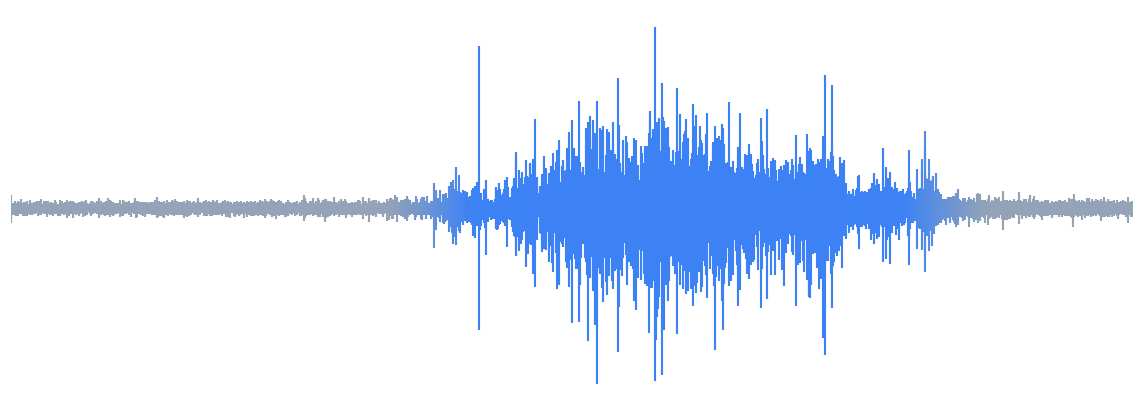
Ground motion recorded by one Seismopod at an Alpine debris-flow site in June 2025: the debris flow rises far above the background noise and is highlighted in blue
01

The Challenge

Slope failures and debris flows cause sudden, catastrophic destruction with little warning. Existing monitoring systems require trade-offs: they are too expensive, too power-hungry, or must be installed too close to the hazard zone — which makes them impractical for remote mountain regions.
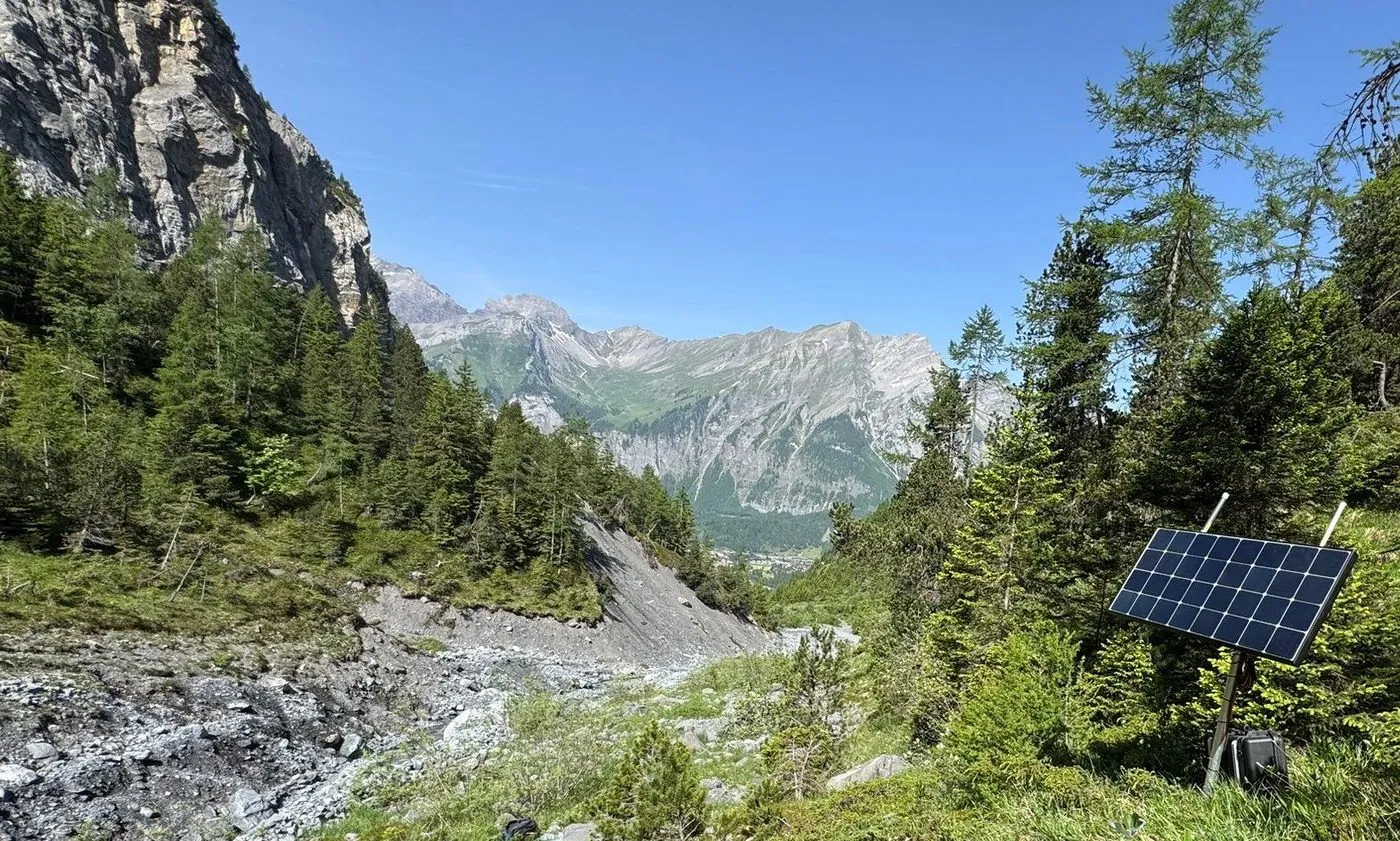
A debris flow channel cutting through an Alpine valley, with a Seismicstream station on the slope above it
02

Our Solution

Seismicstream provides a complete end-to-end system for debris flow detection and hazard warning, designed from the ground up for challenging mountain environments.
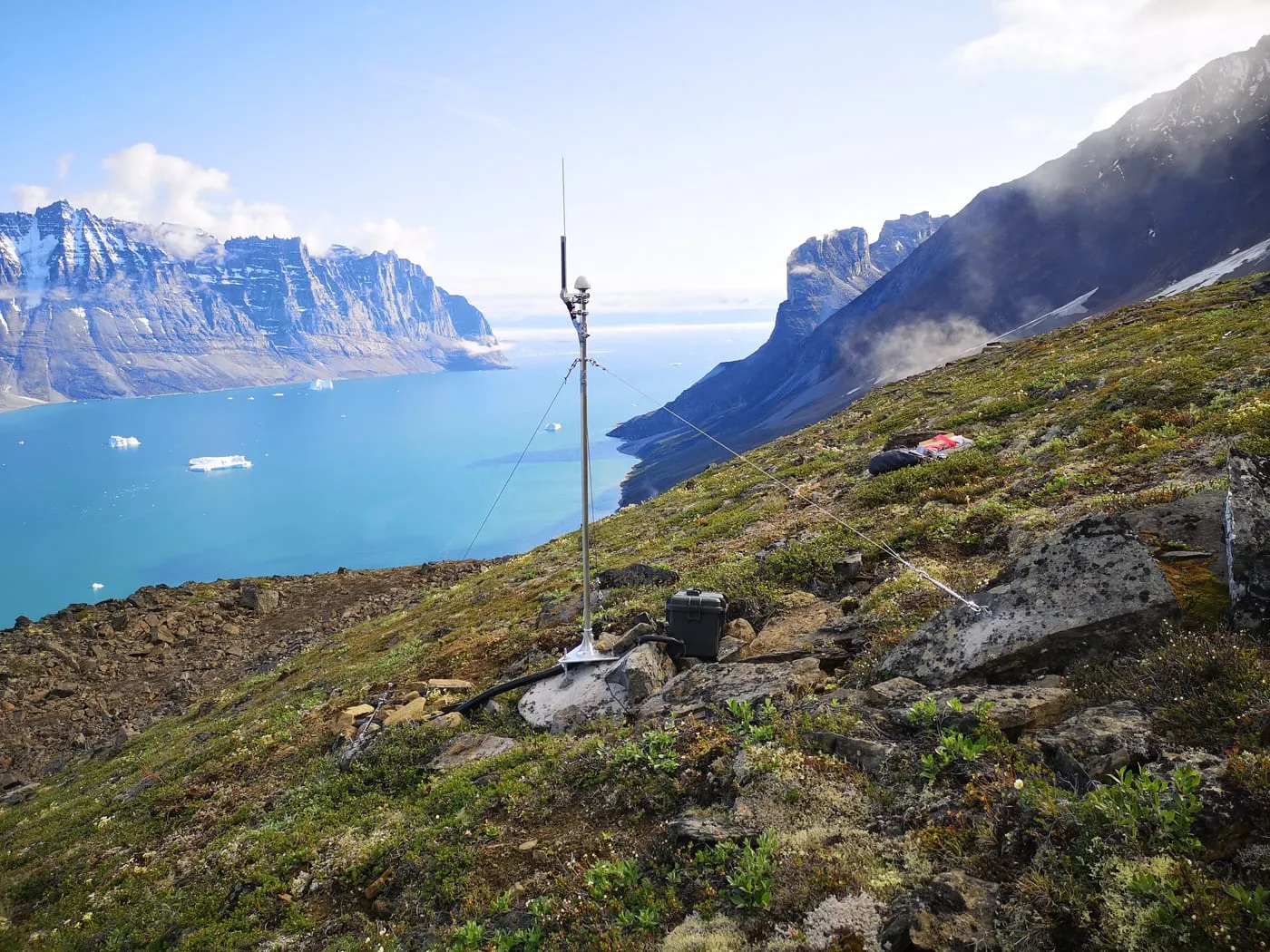
A Seismicstream monitoring station on a grassy slope high above a fjord with drifting icebergs

The Seismostack

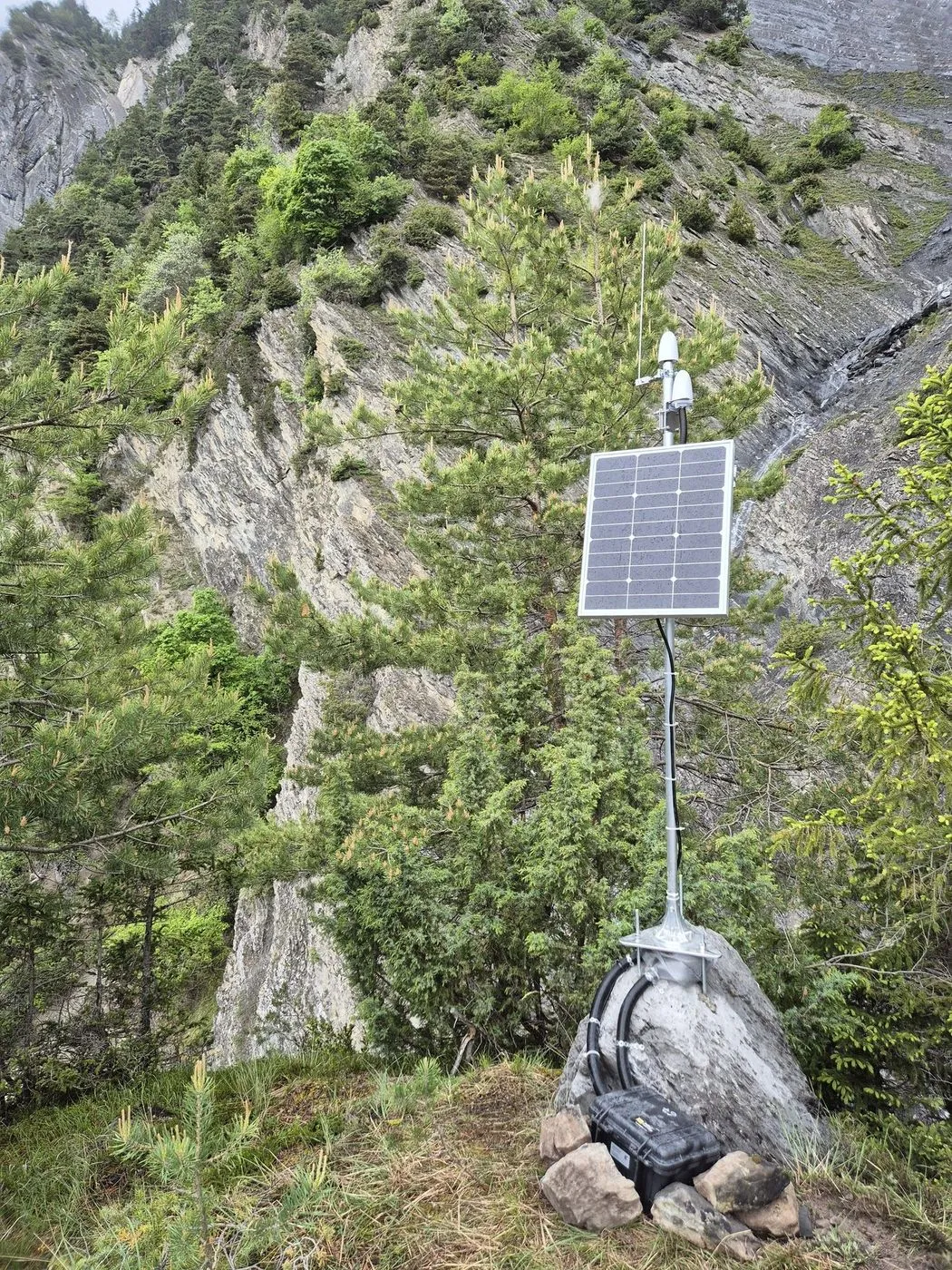
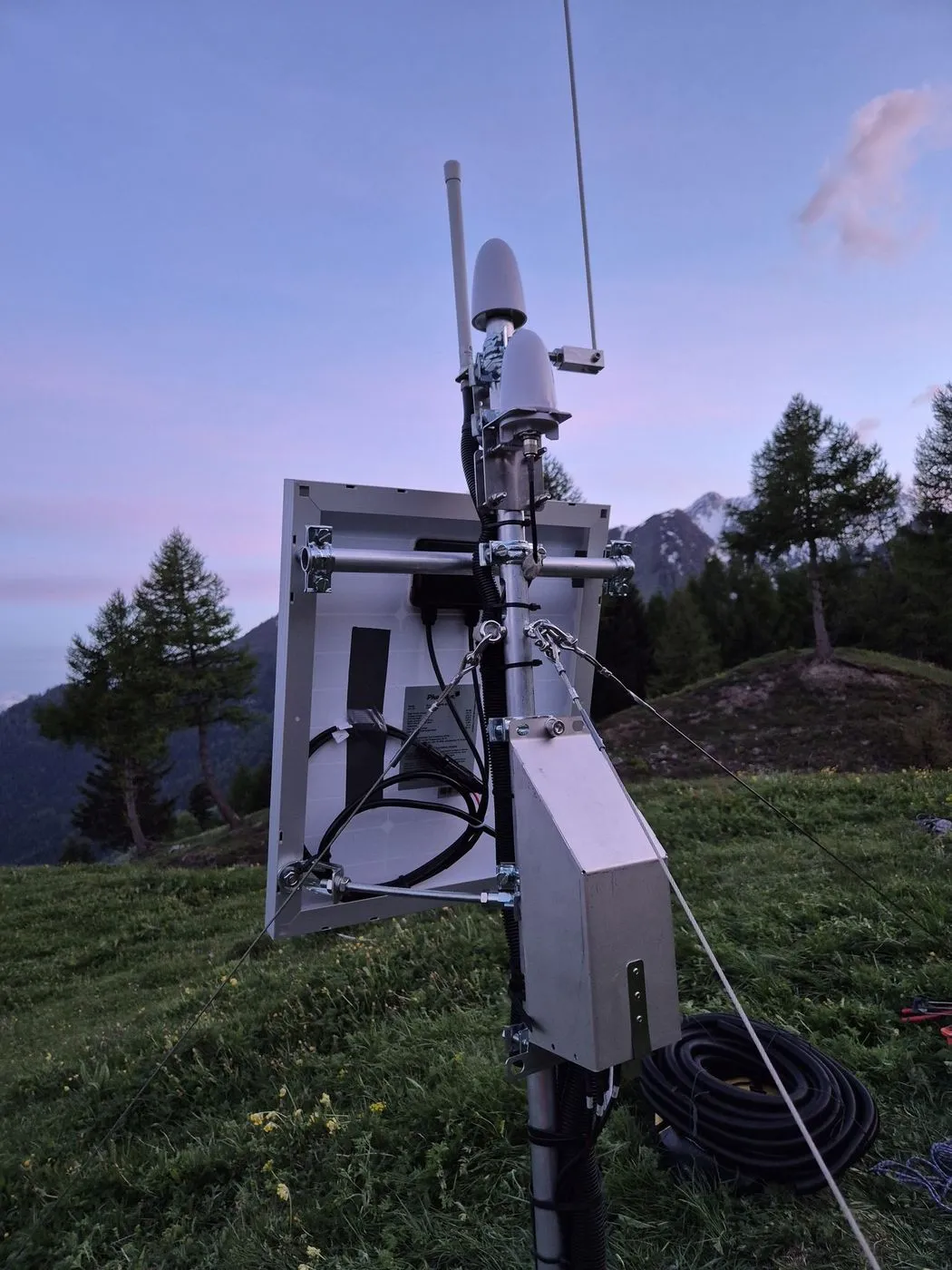
Our technology spans the whole stack, from the geophone in the ground to the alert on your phone. Rugged Seismopod sensors detect events directly on the device, a Seismobase provides connectivity, and our detection algorithms turn ground motion into verified warnings.

Explore the technology
03

Deployments

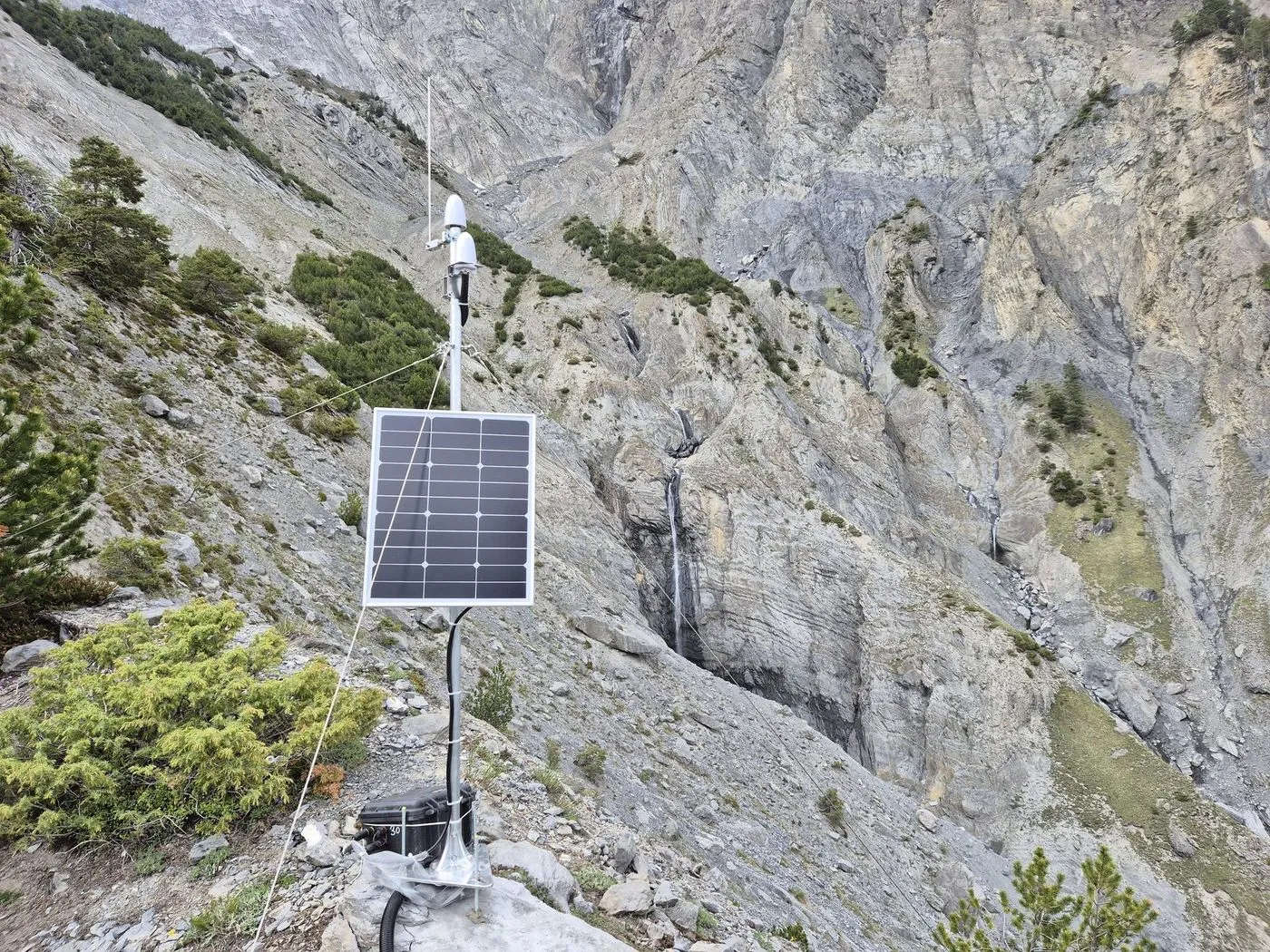
Our sensors are used internationally for monitoring hazard zones.
04

Frequently Asked Questions

The questions we hear most often from administrations, engineering offices and infrastructure operators.

What does Seismicstream offer?
  • Seismic monitoring of Alpine mass movements — debris flows, floods, rockfalls, and rock, snow and ice avalanches.
  • Rapid warning upon event detection.
  • Network monitoring: our backend software provides comprehensive overviews of network operation, sensor state-of-health, detection statistics and other monitoring metrics.
What hardware does Seismicstream use?

Networks consisting of smart seismic sensors ("Seismopods") and a Seismobase form the backbone of Seismicstream's monitoring services.

What is the advantage of Seismicstream's approach to mass movement monitoring?
  • Seismopods are small, easy to install and have a rugged design.
  • Seismology is a "remote" method. Seismopods do not require contact with debris flow channels, which reduces installation costs as no bridges or similar structures are needed. They also have a large radius of sensitivity, so they can monitor a relatively large area — in contrast to radar and cameras, which are limited by their viewing angles.
  • The low power demand allows installation directly in mass movement terrain, which is often poorly accessible and remote.
What makes the Seismostack unique?
  • Edge computing: detection algorithms are embedded on the Seismopods. No data streaming is required, reducing demands for power and wireless bandwidth — and thus instrument cost, weight and bulk. Low-power operational modes reduce energy consumption further.
  • 100% self-sufficiency: a Seismopod/Seismobase network can operate independently of cell phone reception and grid power. In case of power outages and network failure, our warning systems remain fully operational for local warnings.
  • Machine learning capability: Seismopods and the Seismobase employ modern signal detection algorithms, which boost detector sensitivity and flexibility. We offer a range of detection methods, including AI-based ones.
What is a typical monitoring implementation?
  • Together with the client, Seismicstream defines the monitoring and warning demands for a site — a debris flow torrent, an unstable rock face, or similar.
  • A Seismopod/Seismobase network layout is designed to ideally cover the terrain prone to mass movements.
  • Suitable detector algorithms from our portfolio are chosen and optimized for operation at that specific field site.
05

Team

Contact

Interested in protecting your region? Get in touch with us.

info@seismicstream.com